Representative APR
Representative Example
£1,000 borrowed for 18 months with monthly repayments of £89.22. The total amount repayable is £1,605.96. Interest amounts to £570.44 at an annual interest rate of 59.97% (fixed). Representative APR: 79.5% (variable)
Gemini is a credit broker, not a lender and does not make lending decisions. We may receive a commission from the lender when a loan is successfully arranged.
Warning: Late repayment can cause you serious money problems. For help, go to MoneyHelper.org.uk
What is a Bad Credit Payday Loan?
A bad credit payday loan is a short-term loan designed for people whose credit history isn't perfect. Unlike high street bank loans that rely heavily on your credit score, many lenders who work with applications like yours take a broader view, by looking at your current income, employment situation, and ability to repay rather than focusing solely on past financial difficulties.
These loans typically allow you to borrow a smaller amount, usually between £100 and £5,000 to cover an unexpected expense, such as a car breakdown, urgent household repair, or an essential bill that can't wait until your next payday. They are designed to be short-term solutions, repaid over a period of weeks or months.

What counts as "bad credit"?
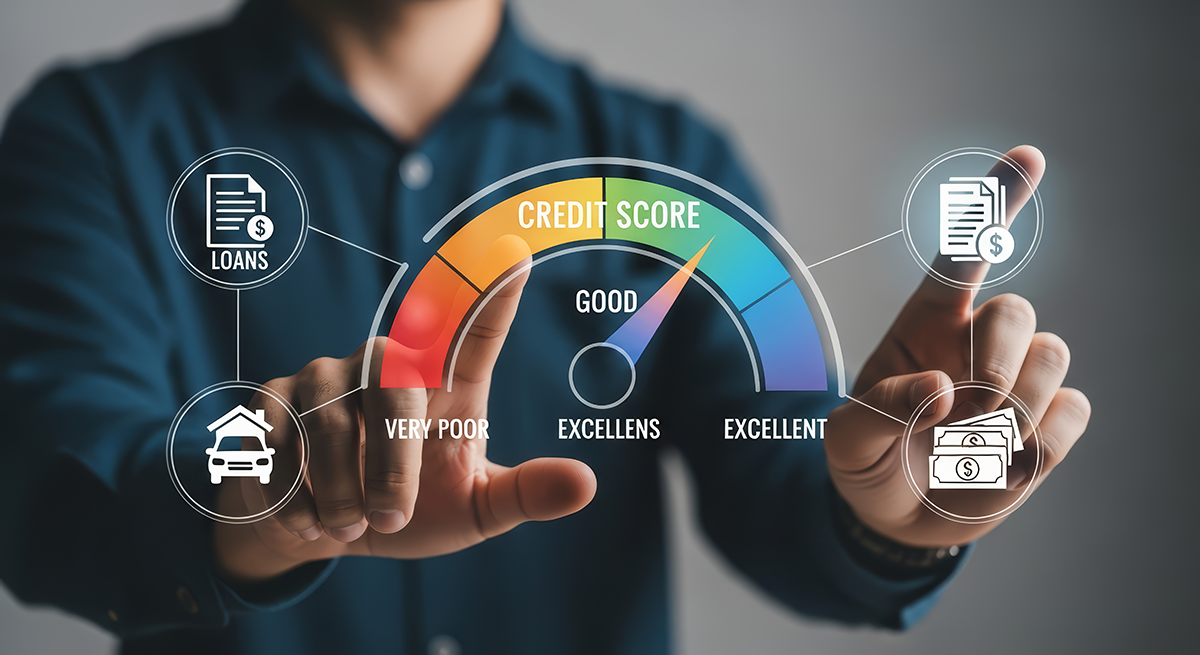
Credit reference agencies in the UK such as Experian, Equifax, and TransUnion, each use a slightly different scoring system, but generally speaking a score in the lower ranges suggests a history of financial difficulty. Common reasons people end up with a low credit score include:
The key thing to understand is that bad credit is rarely permanent. It reflects your financial past, not your future. Most negative information stays on your file for six years, but the impact lessens over time, especially if you build positive habits.
How Lenders Assess Bad Credit Applications
Short-term lenders look at your full picture, not just your credit file. While your credit score is part of their decision, most lenders in this space consider a range of other factors when deciding whether they can help you.
What lenders look at:
- Your current income and employment status
- Monthly outgoings vs income (affordability)
- How long you've been at your address
- Whether you're on the electoral roll
- Recent payment behaviour (last 6–12 months)
- The amount you're asking to borrow
What could reduce your chances:
- No regular income or employment
- Very recent defaults or CCJs
- Already at maximum credit utilisation
- Multiple loan applications in a short period
- Active bankruptcy or IVA
- Loan amount too high relative to income
What does "affordability" mean?
All FCA-regulated lenders are required to carry out affordability checks before approving any loan. This means they need to be confident that you can repay the loan without causing yourself serious financial hardship.
In practice, this means a lender will look at what comes into your account each month versus what goes out. If the repayments on a loan would leave you unable to cover your essential living costs (food, rent, bills etc), a responsible lender should decline the application. This is a safeguard, not an obstacle.
Common Causes of Bad Credit
Bad credit rarely happens overnight, and it's rarely the result of recklessness. Life events such as job loss, illness, relationship breakdown, bereavement, can all trigger a period of financial difficulty that ends up on your credit file for years afterwards. Here are the most common causes:
Missed or late payments
Even a single missed payment on a credit card or utility bill can stay on your file for up to six years. Multiple missed payments have a cumulative effect that can seriously drag down your score.
County Court Judgements (CCJs)
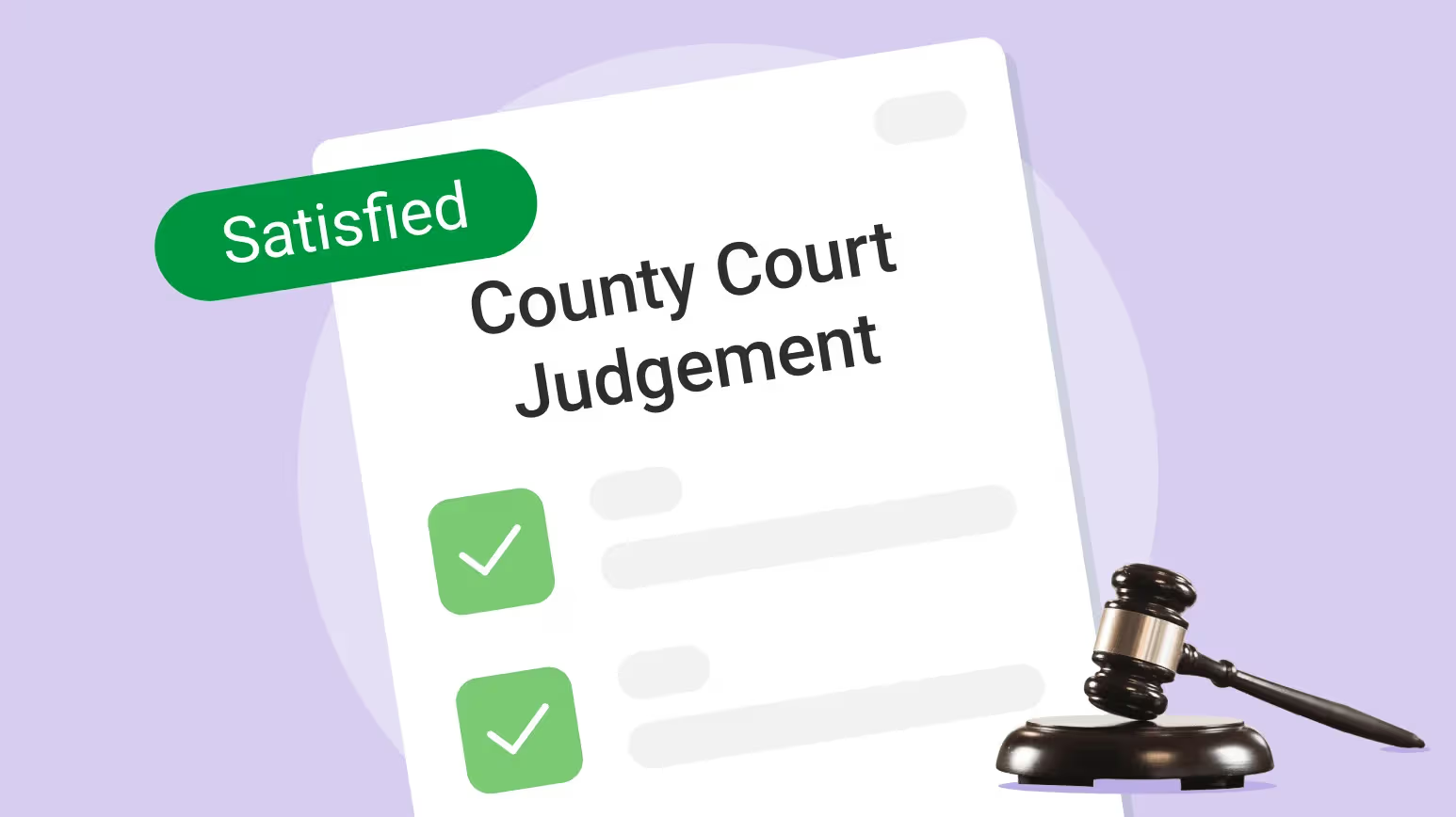
A CCJ is issued when you fail to repay a debt and the creditor takes you to court. It's one of the more serious marks on a credit file, but it can be removed if you pay the full amount within 30 days of the judgement.
Defaults
A default is recorded when you've missed several payments and the creditor has given up trying to collect the debt through normal channels. Defaults stay on your file for six years from the date they're registered, regardless of whether you eventually pay.
IVAs, DMPs, and bankruptcy
Formal debt solutions like Individual Voluntary Arrangements, Debt Management Plans, and bankruptcy all appear on your credit file and signal significant past financial difficulty. However, they also represent a step towards resolving debt and life does continue afterwards.
Too many credit applications
Every time you apply for credit and a lender carries out a hard search, it leaves a mark on your file. Multiple hard searches in a short period can make it look like you're desperately seeking credit, which makes lenders cautious. Using a service like Gemini, which starts with a soft search, avoids this problem.
No credit history at all
Surprisingly, having no credit history can be almost as problematic as having bad credit. Lenders have no evidence of how you manage borrowing, which makes it harder for them to assess risk. Young adults and people new to the UK often fall into this category.
How to Apply with Gemini
Our application process is straightforward and designed to be completed in minutes. No lengthy forms, no faxing documents, no waiting on hold.
Tell us how much you need
Choose a loan amount between £100 and £5,000. Only ever apply for what you genuinely need. This keeps repayments manageable and improves your chances of approval.
Complete our short online form
We'll ask for some basic personal details, your income, employment status, and monthly outgoings. This takes most people around 5 minutes. We use bank-level encryption to keep your data safe.
Get an instant decision
We match your application with lenders from our panel who specialise in bad credit applications. You'll receive a decision almost immediately, typically within minutes. This initial search uses a soft credit check so your score is not affected.
Review your loan offer
If matched with a lender, you'll be shown the full loan offer, including the interest rate, total repayable amount, and monthly repayments. Before you commit to anything, there is absolutely no obligation to proceed.
Receive your funds
Once you accept an offer and the lender completes their final checks, funds can be transferred to your bank account the same day, sometimes within the hour, depending on your bank's processing times.
Ready to apply?
Receive an instant online decision. Bad credit considered.
Our soft credit search won't affect your credit score.
Soft search · No fees · FCA authorised
Eligibility Criteria
To apply for a bad credit payday loan through Gemini, you'll need to meet the following basic criteria. Individual lenders may have additional requirements which will be outlined in their offer.
You must be:
- At least 18 years old
- A UK resident
- In regular employment or receiving regular income
- Holder of a UK bank account with a debit card
- Able to afford the repayments
What income is accepted?
- Employed full-time or part-time
- Self-employed with evidence of income
- Benefits income (subject to lender criteria)
- Pension income
- A combination of the above
Pros and Cons to Consider
A bad credit payday loan can be genuinely useful in the right circumstances. But like any form of credit, it comes with trade-offs that are worth understanding before you apply.
Potential benefits:
- Accessible when mainstream lenders say no
- Fast decision — often within minutes
- Funds can arrive the same day if approved
- Soft search means no impact on your credit score during the application
- Short repayment terms mean less time in debt
- Repaying on time can help rebuild your credit score
- Completely free to apply — no upfront fees
Things to be aware of:
- Higher APR than mainstream personal loans
- Missing a repayment can damage your credit further
- Not suitable for ongoing financial difficulties
- The amount you can borrow may be limited
- Short repayment window means higher monthly payments
- Late payment fees may apply if you miss a repayment
Alternatives to a Payday Loan
Before applying for any loan, it's worth considering whether there are other options that might suit your situation better. A payday loan is one tool, but it's not always the right tool.
Credit unions
Credit unions offer small loans to members at much lower interest rates than payday lenders. Membership is usually based on where you live or work. Check findyourcreditunion.co.uk to see what's available in your area.
Employer salary advances
Some employers will allow you to draw on wages you've already earned before payday. This is essentially interest-free borrowing. It's worth asking your HR department. Many people don't realise this is an option.
Government assistance and benefits
If you're on Universal Credit, you may be eligible for a Budgeting Advance. The Household Support Fund, administered by local councils, can also provide emergency grants for essentials. You don't have to repay grants. Visit gov.uk or citizensadvice.org.uk to explore what you might be entitled to.
Negotiating with your creditors
If you're struggling to pay an existing bill, (a utility provider, landlord, or council), it's often possible to negotiate a payment plan rather than borrowing to pay it off. Most creditors would rather receive something than nothing, and many have hardship schemes specifically for customers in difficulty.
Borrowing from friends or family
While it can feel uncomfortable, an interest-free loan from someone you trust is financially the best option. If you go this route, put an informal agreement in writing to protect the relationship, including when and how you'll repay.
How to Improve Your Credit Score
Bad credit is not a life sentence. There are practical, proven steps you can take to start rebuilding your credit profile and many of them cost nothing at all.
Register to vote
Being on the electoral roll is one of the quickest and easiest ways to boost your credit score. Lenders use it to verify your address.
Pay on time, every time
Set up direct debits for at least the minimum payment on credit products. Payment history is the single biggest factor in your credit score.
Use credit lightly
Keep your credit card balance below 30% of your credit limit where possible. High utilisation suggests financial strain to lenders.
Check your credit file
Errors on your credit file are more common than you'd think. Check with Experian, Equifax, and TransUnion for free and dispute any inaccuracies.
Break financial links
A financial association (like a joint account with an ex-partner) can drag down your score. Contact credit agencies to request a financial disassociation.
Use a credit builder card
Credit builder credit cards are designed for people with poor credit. Used responsibly and cleared in full each month, they can meaningfully improve your score over 6–12 months.
If You're Struggling Financially, Free Help is Available
If you're in serious financial difficulty, struggling to pay essential bills, considering a payday loan to cover everyday costs, or feeling overwhelmed by debt, please reach out for free professional support before borrowing. The organisations below offer completely confidential help at no cost.
Frequently Asked Questions
Everything you need to know about bad credit payday loans.
About The Author

Mark founded Swift Money Limited in Bolton in 2011, predating FCA regulation of the short-term lending sector. With over 15 years of experience in UK consumer finance, he oversees all content published on gemini.co.uk, ensuring accuracy and compliance with current FCA guidance.
All guides on gemini.co.uk are written to provide accurate, plain-English information for UK consumers. Content is reviewed by the Gemini Compliance Team against current FCA guidance before publication. Gemini is authorised and regulated by the Financial Conduct Authority (Ref. 738569). This guide is for informational purposes only and does not constitute financial advice.
Latest Guides
Plain-English financial guides written to help UK consumers make better decisions. Completely free, no sign-up required.